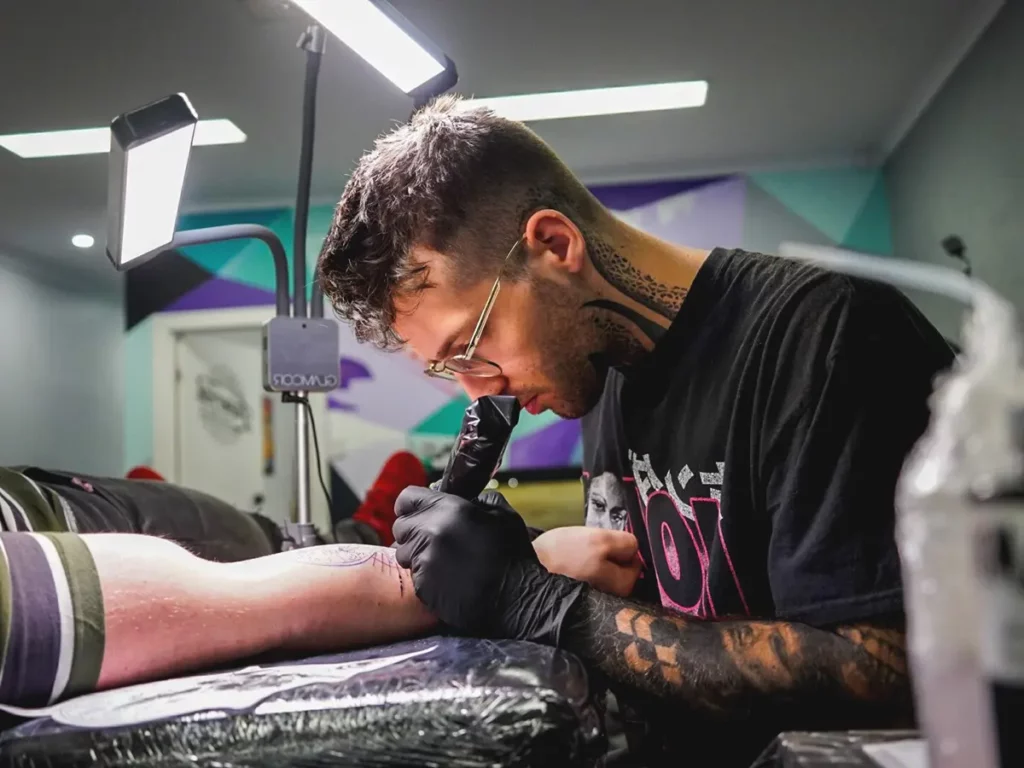
A great choice is rarely the most-followed artist. It is usually the one whose healed work, technical consistency, and communication fit the design and the wearer’s skin.
What is the difference between realism and fine line tattoos?
Realism focuses on depth, smooth shading, and lifelike transitions that mimic photographs or real objects. Fine line relies on crisp, delicate lines and controlled spacing, often with minimal shading.
If they want portraits, animals, or 3D-looking pieces, they should prioritise the best tattoo Artist Sydney for realism. If they want subtle florals, micro details, or minimalist designs, they should look for the best tattoo Artist Sydney who specialises in fine line work and has proven longevity.
How should they shortlist a tattoo artist in Sydney for these styles?
They should shortlist based on style match first, then consistency, then professionalism. The goal is to reduce options to artists who repeatedly produce the exact look they want.
A practical shortlist method is simple: save 10–15 examples of the target style, then compare them against each artist’s portfolio. If the artist’s best work looks different from the saved references, it is not the right match.
What should they look for in a realism tattoo portfolio?
They should look for smooth gradients, correct contrast, and believable texture, not just impressive subject matter. Realism fails when shading is patchy, highlights are blown out, or faces look slightly “off.”
They should check whether the artist can do multiple subjects well, like skin, fur, metal, and fabric. If every post relies on heavy filters or dramatic lighting, they should ask for clearer photos or healed examples.
What should they look for in a fine line tattoo portfolio?
They should look for steady line weight, clean curves, and balanced spacing that will still read well after healing. Fine line fails when lines wobble, crowd together, or rely on ultra-light ink that disappears.
They should check repeated examples of similar-scale work, not just one perfect post. If the artist only shows fresh tattoos, they should ask to see healed fine line work from 6–12 months.
Why does healed work matter more than fresh photos?
They should judge the tattoo they will live with, not the one photographed minutes after it is finished. Fresh tattoos hide issues because swelling, redness, and ointment can make lines look sharper than they are.
Healed photos reveal if realism stays smooth or turns grainy, and whether fine line stays readable or spreads into a blur. If they cannot find healed work, they should request it before booking.
How can they verify the artist is right for their skin tone and skin type?
They should look for portfolio examples on skin tones similar to theirs, because contrast and ink appearance change across different complexions. They should also consider how their skin behaves, such as oiliness, sensitivity, or a tendency to scar.
If they have melanin-rich skin, they should prioritise artists who show healed results on similar skin, not just fresh work. If they have a history of keloids, they should speak with a medical professional before tattooing.
What questions should they ask in a consultation?
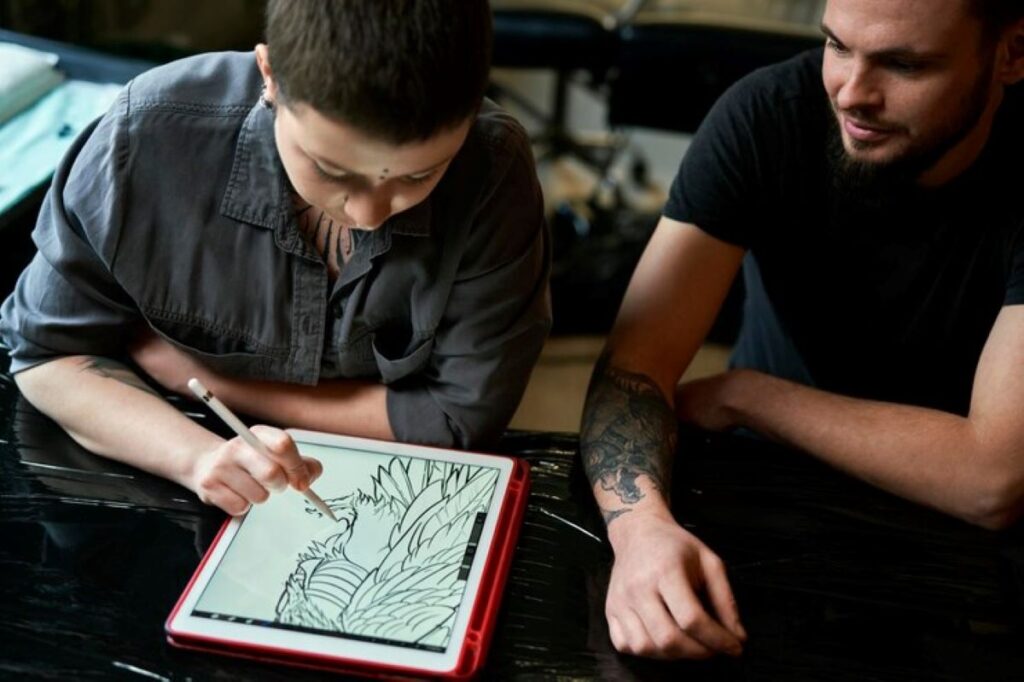
They should ask questions that reveal process, not just friendliness. A strong artist can explain placement, size, longevity, and aftercare in plain terms.
Good consultation questions include:
- How will the design be adjusted for the body area and movement?
- What size is needed so details hold over time?
- How many sessions will it take, and what is the pricing structure?
- Can they show healed examples similar to this design?
- What aftercare do they recommend for this style?
How should they assess hygiene, licensing, and studio professionalism?
They should choose a studio that treats safety as non-negotiable. Cleanliness should be obvious without them needing to ask.
They should look for single-use needles, barrier protection on surfaces, proper sharps disposal, and clear hand hygiene. If the studio is defensive about basic safety questions, they should leave.
Other Resources : tattoos and the military
How do they avoid common mistakes when choosing a Sydney tattoo artist?
They should avoid choosing based on trends, discounts, or convenience. These styles punish shortcuts, especially fine line.
Common mistakes include booking an artist who “can do anything,” choosing a design too small for the level of detail, and ignoring aftercare requirements. They should also avoid heavy edits, because filtered photos are not a reliable preview of real ink.
What is a smart final checklist before they book?
They should book only when the artist’s work matches the target style, the healed results look stable, and the plan fits the body area. If anything feels unclear, they should pause rather than rush.
A smart final checklist is:
- Their portfolio shows the exact style repeatedly
- Healed photos are available and consistent
- The artist explains sizing and longevity clearly
- The studio’s hygiene practices are transparent
- The quote, sessions, and aftercare are understood in writing
More to Read : Why a Bondi Road Tattoo Shop Is a Go-To for Coastal-Inspired Ink
FAQs (Frequently Asked Questions)
What is the difference between realism and fine line tattoo styles?
Realism tattoos focus on depth, smooth shading, and lifelike transitions that mimic photographs or real objects, ideal for portraits, animals, or 3D-looking pieces. Fine line tattoos rely on crisp, delicate lines and controlled spacing with minimal shading, perfect for subtle florals, micro details, or minimalist designs.
How do I shortlist the best tattoo artist in Sydney for realism or fine line tattoos?
Start by matching the artist’s style to your desired tattoo look. Save 10–15 examples of your target style and compare them against artists’ portfolios. Shortlist artists whose healed work consistently matches your references. Then assess their professionalism and communication to ensure a good fit.
What should I look for in a realism tattoo artist’s portfolio?
Look for smooth gradients, correct contrast, and believable texture across various subjects like skin, fur, metal, and fabric. Avoid portfolios relying heavily on filters or dramatic lighting; instead, request clear photos or healed examples to verify quality and consistency.
Why is viewing healed tattoo work more important than fresh photos?
Healed photos show how the tattoo will actually look after swelling and redness subside. They reveal if realism stays smooth without graininess and if fine line details remain sharp rather than blurring over time. Always ask for healed examples before booking.
How can I ensure the tattoo artist suits my skin tone and type?
Choose artists who showcase healed work on skin tones similar to yours since ink appearance varies with complexion. Consider your skin’s behavior—such as oiliness or sensitivity—and if you have melanin-rich skin or a history of keloids, prioritize experienced artists accordingly and consult medical professionals if needed.
What hygiene and professional standards should a Sydney tattoo studio meet?
The studio should demonstrate non-negotiable safety practices including obvious cleanliness, single-use needles, barrier protection on surfaces, proper sharps disposal, and strict hand hygiene. If they are defensive about basic safety questions or lack transparency, it’s best to choose another studio.